
Dispersants
Tailor made solutions for customers and create more innovative products for them

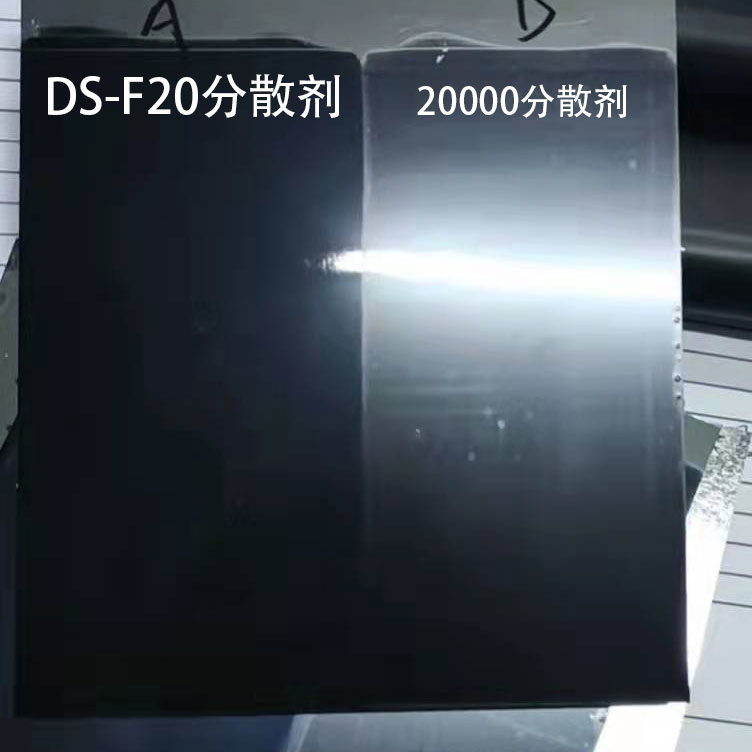
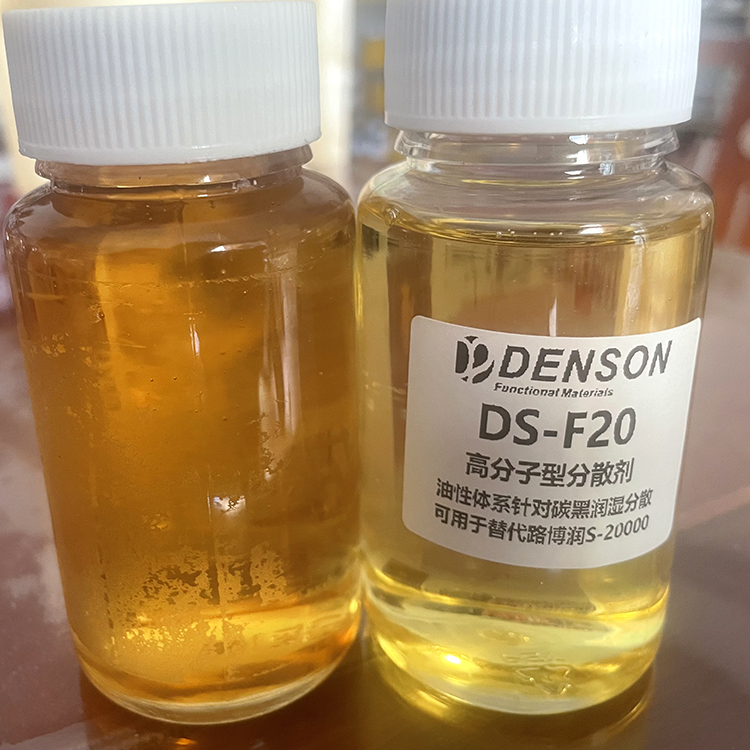
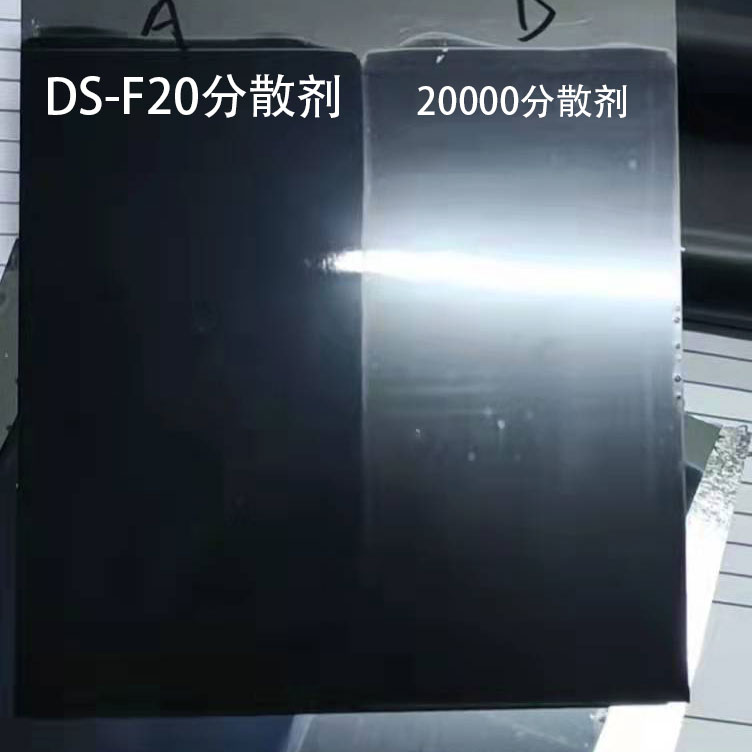
DS-F20 is commonly used in solvent-based nitrocellulose resins, chloroacetic resins, thermoplastic acrylic resins, polyurethane resins, hydroxy acrylic resins, alkyds, polyesters, polyether polyols and other systems. It can also be used in water-soluble acrylic resin, water-soluble alkyd, water-soluble polyester, water-soluble epoxy, water-soluble polyurethane and other systems. Different from other products of the same type, thyssen's DS-F20 has a molecular weight of more than 2000, which meets the performance characteristics of polymer dispersants and has better performance in wetting, dispersion and gloss of carbon black. It can be used in economical resin-free colorant systems.
Product Information
chemical composition
100% active solids containing polymer dispersants
Materialized data
Typical values are for reference only
Acid value <2
Density 1.02
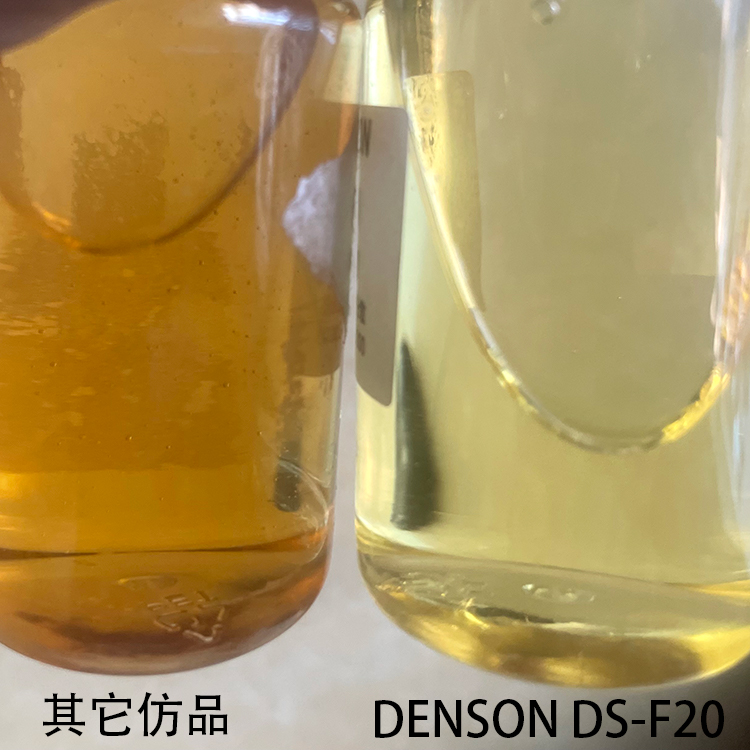
Appearance: light brown transparent liquid
Non-volatile matter (150°C/20min) >99.5
Solvent none
Flash point 200
Product Features:
DS-F20 is a 100% active polymer polymeric hyperdispersant, especially suitable for medium and high pigment carbon black that is difficult to disperse, and has wetting and dispersibility for 5000/FW200/1300, excellent viscosity reduction effect, improved color strength and gloss, and is suitable for making high-concentration black paste. It has excellent dispersion and stability of organic/inorganic pigments in coatings and colorant systems, shortens grinding time and improves production efficiency.
Recommended Uses:
DS-F20 is used for cigarette pack ink, PVC ink, PVC shrink ink, alcohol-soluble polyurethane ink, screen polyurethane shoe ink, 2K automotive refinish paint, wood paint, amino baking paint, polyurea paint, water-based industrial paint, water-based cigarette pack ink.
Suggested Dosage
The amount added is based on the surface area of the pigment/filler. Typically, the amount of active dispersant per square meter of pigment surface area is 2 mg, which is simply a matter of dividing the surface area by 5. The usual dosage is 10% of pigment and 10%~20% of carbon black.
How to add and how to process it
In order to obtain the effect, the additives are mixed with solvents and resins before grinding and dispersing, and then the pigments are added.

Mr. Jia: 159-1691-0100 13360650502 Mr. Jiang:13924940045
Email:denson168@163.com
Address: Room 101, No. 1, Lane 11, Changsheng Street, Dalian Tang, Wanjiang Street, Dongguan City, Guangdong Province

备案号:粤ICP备19036602号 粤公网安备 44190002005999号 Copyright Dongguan DENSON New Materials Co., Ltd
